General Insurance Gains Importance as Individuals Prioritize Financial Protection
May 2026
As financial awareness continues to rise, general insurance is increasingly being recognized as a critical component of personal and business financial planning. Experts emphasize that in an era marked by uncertainty, having adequate insurance coverage is no longer optional but essential for safeguarding assets and ensuring long-term stability.
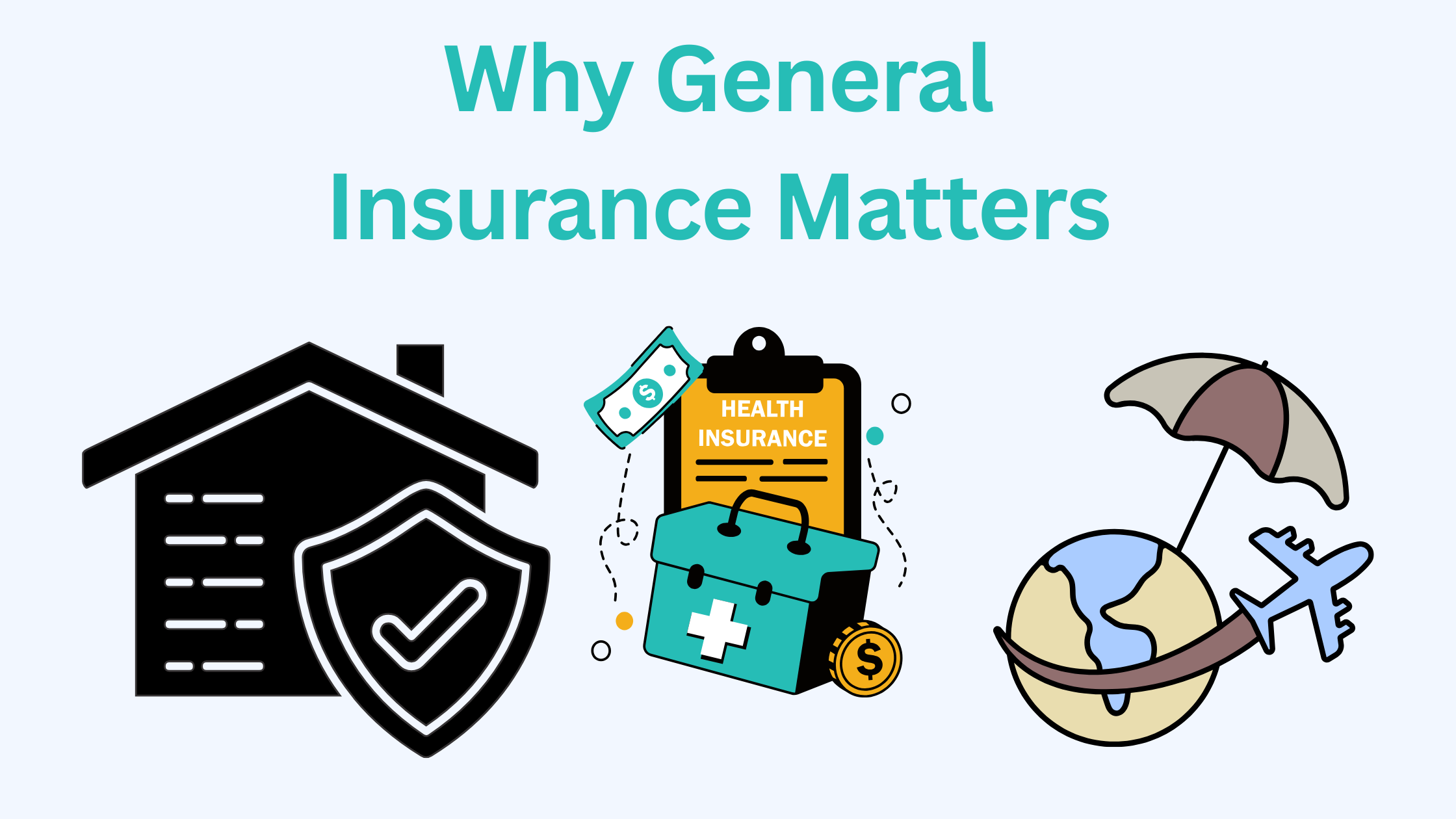
General insurance, which includes policies such as health, motor, home, travel, and business insurance, provides protection against a wide range of risks. Unlike life insurance, which focuses on long-term financial security for dependents, general insurance addresses immediate and unforeseen financial losses caused by accidents, natural disasters, or medical emergencies.
Financial advisors note that one of the primary advantages of general insurance is its ability to shield individuals from sudden financial strain. Unexpected events such as vehicle accidents, property damage, or hospitalization can result in significant expenses. Insurance coverage helps absorb these costs, preventing individuals from dipping into savings or incurring debt.
The growing cost of healthcare has further highlighted the importance of health insurance. With medical expenses rising steadily, even routine treatments can become financially burdensome. Health insurance policies offer coverage for hospitalization, treatments, and related expenses, ensuring access to quality care without severe financial impact.
In addition to health protection, general insurance plays a key role in securing valuable assets. Motor insurance protects vehicle owners from repair costs and third-party liabilities, while home insurance offers coverage against risks such as fire, theft, and natural calamities. For businesses, insurance provides protection against operational risks, legal liabilities, and unexpected disruptions.
Regulatory requirements have also contributed to the increasing adoption of general insurance. In many regions, certain types of coverage—such as motor insurance—are mandatory, ensuring that individuals comply with legal obligations while also protecting themselves and others from financial loss.
Industry experts highlight that beyond financial benefits, general insurance provides peace of mind. Knowing that one is protected against unforeseen risks allows individuals and business owners to focus on their goals without constant concern about potential setbacks.
Another significant advantage is the availability of customized insurance solutions. Policyholders can tailor coverage based on their specific needs, budget, and risk profile. This flexibility ensures that individuals do not pay for unnecessary features while still receiving adequate protection.
Businesses, in particular, are increasingly investing in comprehensive insurance plans to mitigate risks. From property damage to liability claims, insurance acts as a safety net that enables companies to recover quickly and maintain continuity even during challenging times.
With the rapid evolution of technology and global interconnectedness, new risks such as cyber threats and digital fraud have emerged. In response, insurers are expanding their offerings to include coverage for modern risks, reflecting the changing landscape of financial protection.
Experts conclude that integrating general insurance into financial planning is essential for building resilience. By protecting against unexpected losses, insurance ensures that long-term financial goals remain unaffected, even in the face of adversity.
As awareness grows, general insurance is set to play an even more significant role in helping individuals and businesses navigate uncertainties with confidence and security.