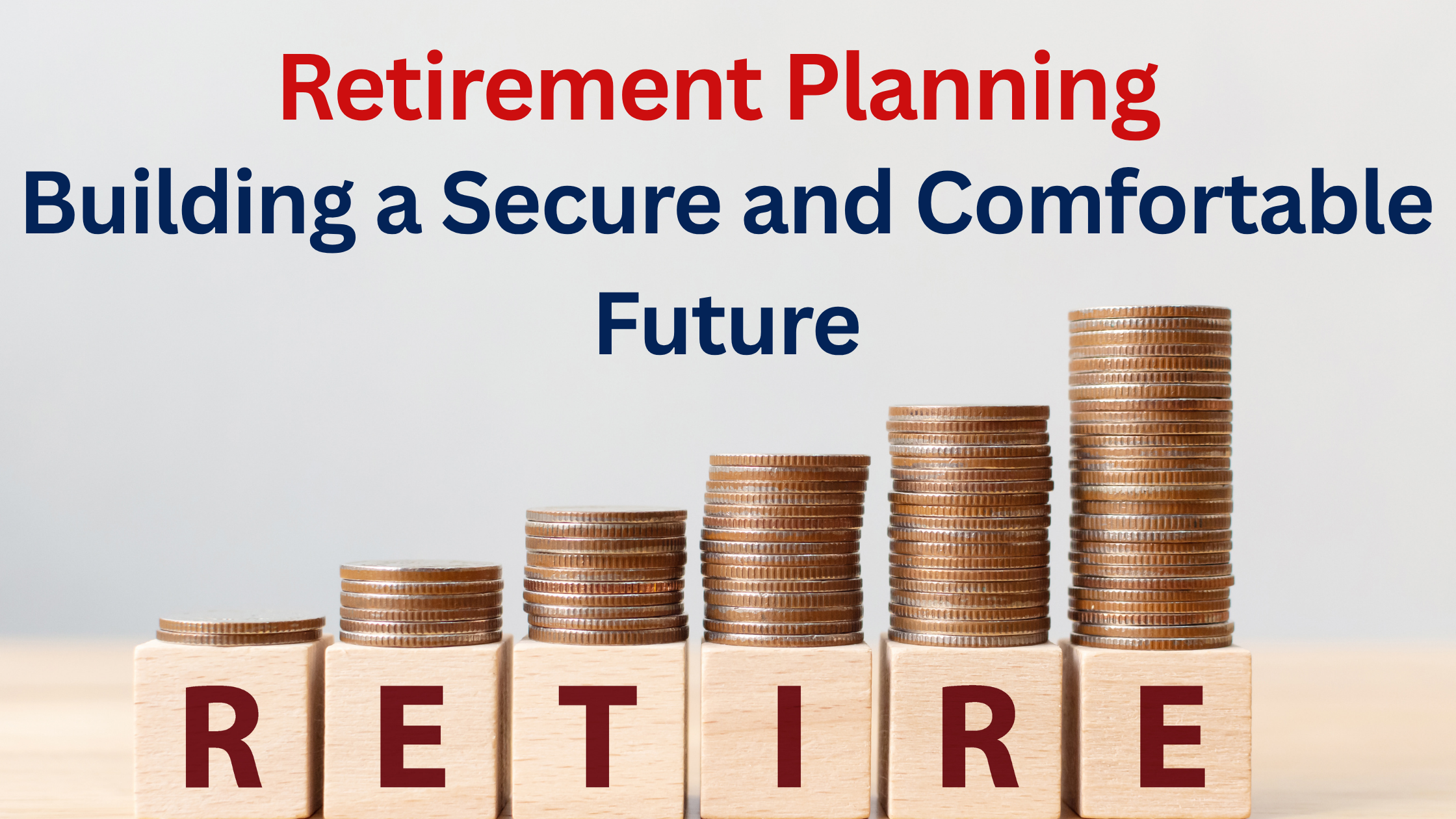
Retirement is considered one of the most significant phases in a person’s life. After years of hard work and dedication, everyone hopes to enjoy a peaceful and financially secure life. However, achieving this comfort requires proper financial preparation. Retirement planning helps individuals build enough savings and investments to maintain their lifestyle even after they stop earning a regular income.
Many people delay thinking about retirement because it seems far away. But starting early can make a huge difference. With the right strategy, disciplined saving, and smart investment choices, retirement planning can help ensure financial independence and peace of mind in the later years of life.
What is Retirement Planning?
Retirement planning is the process of setting financial goals for life after employment and creating a strategy to achieve them. It involves saving, investing, and managing money in a way that provides a steady income during retirement.
The main objective of retirement planning is to ensure that you have enough funds to cover living expenses, healthcare costs, and other lifestyle needs when your regular salary stops. A well-structured retirement plan also helps individuals handle inflation, unexpected medical expenses, and longer life expectancy.
Why Retirement Planning is Important
Retirement planning is essential because life after retirement can last several decades. Without proper financial preparation, individuals may struggle to meet their daily expenses.
Financial Independence
A strong retirement plan allows individuals to maintain their independence without depending on family members for financial support.
Rising Cost of Living
Inflation gradually increases the cost of living. What seems affordable today may become expensive in the future. Planning early helps your savings grow and keep up with rising expenses.
Medical and Healthcare Needs
Healthcare costs often increase with age. Retirement savings can help cover medical expenses, insurance premiums, and emergency treatments.
Longer Life Expectancy
People today are living longer than before. This means retirement savings need to last for a longer period, sometimes 20 to 30 years.
When Should You Start Retirement Planning?
Starting your retirement planning as early as possible is highly beneficial. When you begin early, your investments get more time to grow and benefit from the power of compound returns.
For example, someone who starts saving in their 20s may accumulate significantly more wealth than someone who begins in their 40s, even if the monthly investment is smaller. Early planning also allows investors to take calculated risks that can potentially generate higher returns over time.
However, it is never too late to start. Even if you begin later in life, disciplined savings and proper financial management can still help build a comfortable retirement fund.
Key Steps in Retirement Planning
1. Set Clear Retirement Goals
The first step is to determine what kind of lifestyle you want after retirement. Consider factors such as housing, travel plans, healthcare needs, and daily living expenses. This will help estimate how much money you will need.
2. Estimate Future Expenses
Calculate your expected monthly expenses after retirement. Remember to consider inflation, medical costs, and other lifestyle changes that may occur in the future.
3. Start Saving Regularly
Consistent saving is the foundation of retirement planning. Setting aside a portion of your income each month can gradually build a strong financial base for the future.
4. Choose the Right Investment Options
Different investment options offer different levels of risk and returns. A balanced investment portfolio can help grow wealth while managing risk effectively.
5. Review and Adjust Your Plan
Financial goals and life circumstances change over time. Reviewing your retirement plan regularly ensures that your savings and investments remain aligned with your long-term objectives.
Investment Options for Retirement Planning
There are several investment options that can help individuals build a retirement fund. Choosing the right combination depends on financial goals, risk tolerance, and investment horizon.
Pension Plans
Pension plans provide a regular income after retirement. They are designed specifically to support individuals during their non-working years.
Mutual Funds
Mutual funds allow investors to diversify their money across various assets such as stocks and bonds. Long-term mutual fund investments can potentially generate higher returns compared to traditional savings options.
Fixed Deposits
Fixed deposits are a safer investment option that provides guaranteed returns. They are often used to balance risk in a retirement portfolio.
Government Retirement Schemes
Various government-backed schemes offer tax benefits and long-term savings opportunities for retirement planning.
Common Mistakes to Avoid
While planning for retirement, many individuals make mistakes that can affect their long-term financial security.
Starting Too Late: Delaying retirement planning reduces the time available for investments to grow.
Ignoring Inflation: Failing to consider rising costs can lead to insufficient savings.
Withdrawing Savings Early: Using retirement funds for other expenses may reduce financial security later.
Not Diversifying Investments: Relying on a single investment option increases risk.
Avoiding these mistakes can help create a stronger and more reliable retirement plan.
The Role of Financial Discipline
Successful retirement planning requires consistent financial discipline. This includes budgeting, reducing unnecessary expenses, and investing regularly. Even small contributions can grow into significant savings over time.
Creating an emergency fund and maintaining adequate insurance coverage also helps protect retirement savings from unexpected financial shocks.
Conclusion
Retirement planning is not just about saving money; it is about building a secure and comfortable future. By starting early, setting clear financial goals, and choosing suitable investment options, individuals can create a stable source of income for their retirement years.
A well-planned retirement allows people to enjoy life without financial stress, pursue hobbies, travel, and spend quality time with family. With careful planning and disciplined financial habits, anyone can work toward achieving a financially independent and fulfilling retirement.