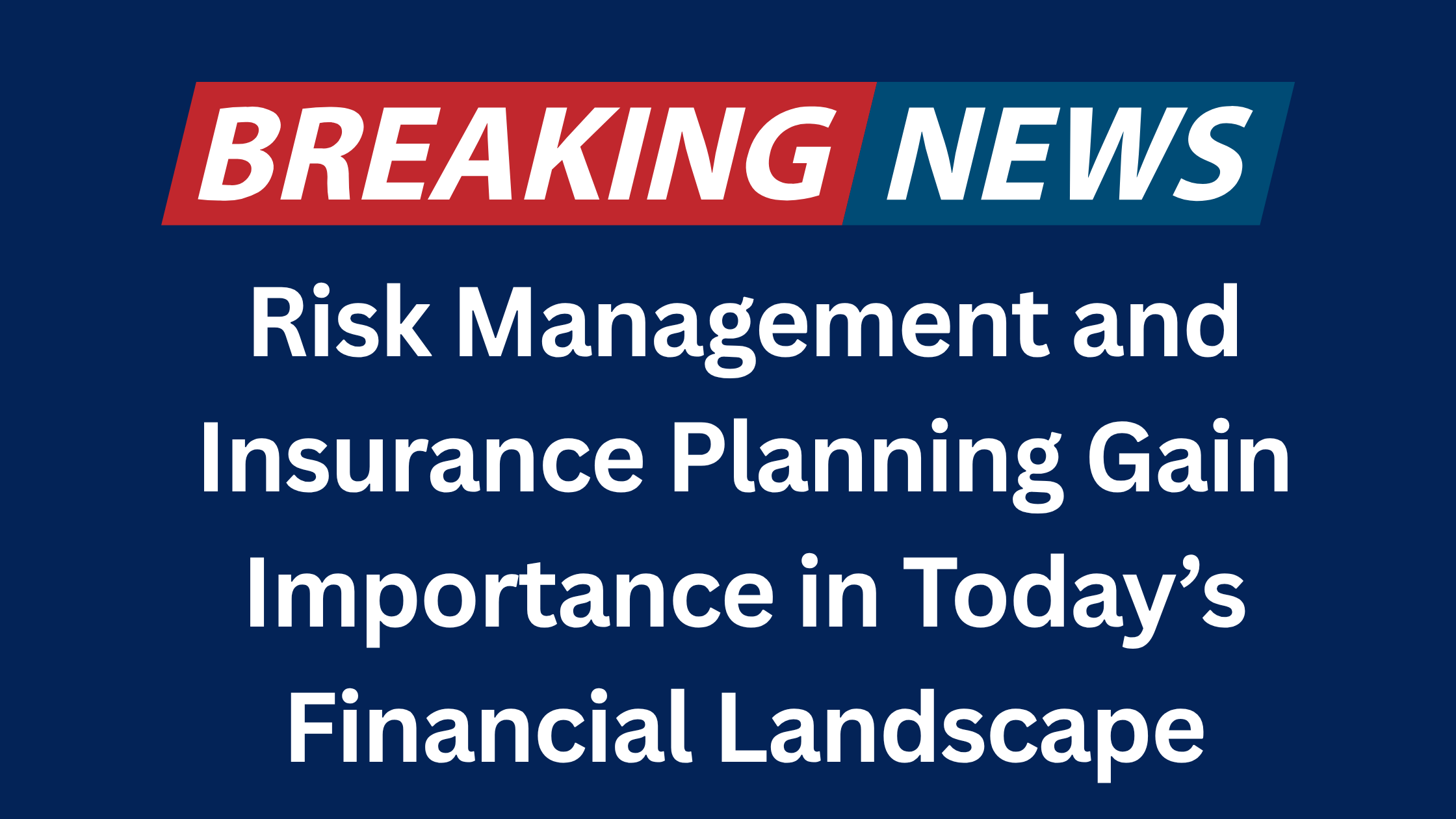
Financial planning is not only about saving and investing money for the future; it is also about protecting what you have built. Life is full of uncertainties such as health emergencies, accidents, loss of income, or unexpected financial burdens. Risk management and insurance planning play a crucial role in ensuring that such situations do not disrupt your financial stability. By identifying potential risks and preparing for them in advance, individuals and families can safeguard their financial well-being.
Understanding Risk Management
Risk management refers to the process of identifying potential financial risks and taking appropriate steps to minimize their impact. Every individual faces different types of risks during their lifetime. These may include health risks, property damage, loss of income, liability risks, and even market-related investment risks.
Effective risk management involves evaluating these risks and creating strategies to handle them. Some risks can be avoided, some can be reduced, and others can be transferred to insurance companies. The goal is to ensure that an unexpected event does not cause a major financial setback.
Importance of Insurance in Financial Planning
Insurance is one of the most important tools used in risk management. It provides financial protection by transferring the financial risk from an individual to an insurance company in exchange for a premium. When an insured event occurs, the insurance company compensates for the financial loss according to the policy terms.
Without proper insurance coverage, unexpected events such as medical emergencies or accidents can result in heavy financial burdens. Insurance acts as a safety net that protects individuals, families, and even businesses from financial hardship.
Types of Insurance in Risk Management
A well-structured financial plan usually includes multiple types of insurance policies to cover different risks.
Life Insurance
Life insurance ensures that the financial needs of a family are taken care of in case of the policyholder’s untimely death. It provides a lump sum amount to the nominee, which can help cover daily expenses, children’s education, or loan repayments.
Health Insurance
Medical expenses are rising rapidly, and even a short hospital stay can cost a significant amount. Health insurance helps cover hospitalisation expenses, medical treatments, and sometimes even preventive care, reducing the financial burden on families.
Property Insurance
Property insurance protects assets such as homes, buildings, or businesses from risks like fire, natural disasters, theft, or damage. It helps individuals recover financially after property-related losses.
Motor Insurance
Motor insurance provides financial protection against damage to vehicles due to accidents, theft, or natural calamities. In many countries, motor insurance is also mandatory for vehicle owners.
Disability Insurance
An accident or illness may lead to temporary or permanent disability, which can affect a person’s ability to earn income. Disability insurance provides financial support during such situations.
Steps to Create an Effective Risk Management Plan
Creating a proper risk management and insurance plan requires careful evaluation of financial needs and potential risks. The following steps can help individuals design a reliable protection strategy.
Identify Potential Risks
The first step is to identify possible risks that could affect financial stability. This includes health issues, accidents, loss of income, or damage to valuable assets.
Assess the Financial Impact
Once risks are identified, it is important to understand how they may affect your financial situation. Some risks may have minor consequences, while others can cause significant financial loss.
Choose Suitable Insurance Coverage
After evaluating risks, individuals should select appropriate insurance policies that offer adequate coverage. It is important to ensure that the coverage amount is sufficient to meet future financial needs.
Review Policies Regularly
Financial needs change over time due to factors such as career growth, marriage, children’s education, or new financial commitments. Reviewing insurance policies periodically ensures that coverage remains adequate.
Maintain an Emergency Fund
Insurance is a major component of risk management, but it should be supported by an emergency fund. Having savings equal to three to six months of expenses can help handle unexpected situations without financial stress.
Benefits of Risk Management and Insurance Planning
A strong risk management strategy offers several benefits that contribute to long-term financial security.
Financial Protection
Insurance provides financial support during unexpected events, preventing major financial losses.
Peace of Mind
Knowing that you are financially protected allows you to focus on personal and professional goals without constant worry.
Asset Protection
Insurance policies help protect valuable assets such as homes, vehicles, and businesses from potential risks.
Family Security
Life and health insurance ensure that family members remain financially secure even during difficult situations.
Better Financial Stability
By reducing the financial impact of unexpected events, risk management helps maintain stability in long-term financial planning.
Common Mistakes to Avoid in Insurance Planning
While insurance is essential, many people make mistakes that reduce the effectiveness of their coverage. One common mistake is purchasing insufficient coverage, which may not be enough to handle major financial losses. Another mistake is relying on a single insurance policy without diversifying coverage for different risks.
Many individuals also delay purchasing insurance until later in life. However, buying insurance early often results in lower premiums and better financial protection.
Ignoring policy terms and conditions is another common error. Understanding the coverage details, exclusions, and claim procedures is important to avoid complications during claims.
The Role of Financial Advisors
Financial advisors play an important role in helping individuals create effective risk management and insurance plans. They analyze financial goals, evaluate risk exposure, and recommend suitable insurance policies based on individual needs.
A professional advisor can also help compare different insurance products, ensuring that clients choose policies with the right coverage, benefits, and affordability.
Conclusion
Risk management and insurance planning are essential components of a strong financial strategy. While investments help grow wealth, insurance helps protect it from unexpected losses. By identifying potential risks and securing appropriate insurance coverage, individuals can safeguard their financial future and ensure the well-being of their families.
In today’s unpredictable world, having a well-planned insurance strategy is not a luxury but a necessity. Taking the time to evaluate risks and secure proper protection can provide long-term financial stability, peace of mind, and security for years to come.