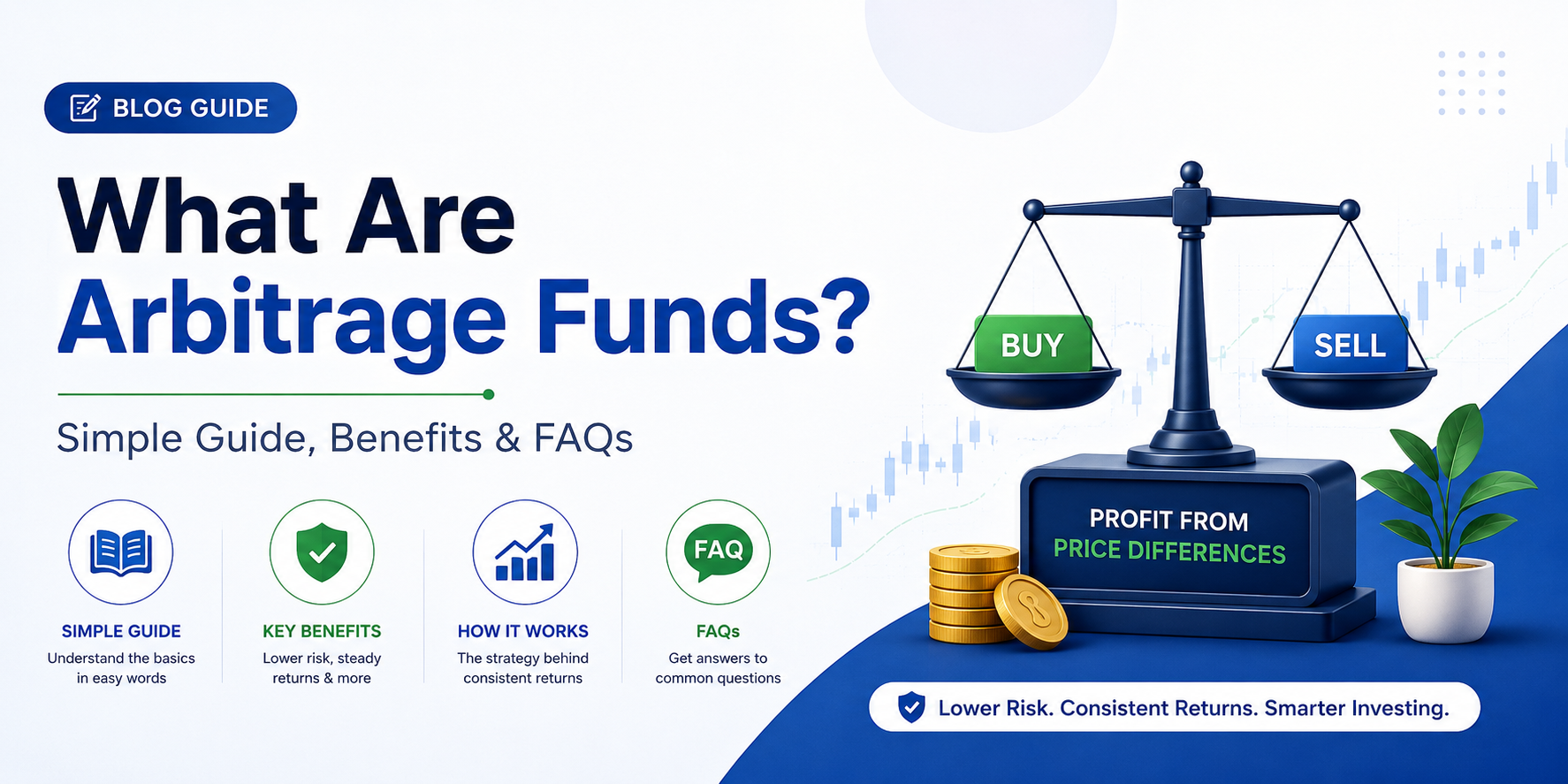
Managing assets effectively is a crucial part of building and protecting long-term financial stability. Whether the assets are personal savings, investments, property, or business holdings, proper asset management ensures that resources are used efficiently and grow over time. A well-structured asset management strategy not only helps individuals and organisations increase wealth but also safeguards financial security during uncertain times.
Understanding Asset Management
Asset management refers to the systematic process of planning, monitoring, and optimising financial and physical assets to achieve specific financial goals. It involves evaluating available resources, allocating them wisely, and reviewing their performance regularly.
Assets can include a wide range of holdings such as cash savings, stocks, bonds, real estate, retirement funds, and business investments. Proper management of these assets helps in maximizing returns while controlling potential risks.
A complete approach to asset management focuses on long-term financial growth while ensuring liquidity, stability, and security.
Identifying and Categorizing Assets
The first step in managing assets is identifying and organizing them. Many individuals and businesses own multiple types of assets but often fail to track them properly.
Assets are generally categorized into three main types:
1. Financial Assets
These include investments such as stocks, mutual funds, bonds, and bank deposits. These assets usually generate income or appreciate in value over time.
2. Physical Assets
Physical assets include property, land, buildings, vehicles, and equipment. These assets may generate income or provide long-term value.
3. Intangible Assets
These are non-physical assets such as intellectual property, patents, copyrights, and brand value, which can contribute significantly to financial growth.
By clearly identifying and categorising assets, individuals can better understand their financial position and make informed decisions.
Setting Clear Financial Goals
Asset management becomes more effective when it is aligned with well-defined financial goals. These goals can vary depending on individual needs, lifestyle, and financial responsibilities.
Common financial goals include:
- Saving for retirement
- Buying a house or property
- Funding children’s education
- Building emergency savings
- Growing long-term wealth
Setting realistic goals helps in determining how assets should be allocated and managed. It also provides direction for investment decisions and financial planning.
Diversification of Investments
Diversification is one of the most important principles in asset management. It means distributing investments among various asset types to minimise potential risk.
For example, investing only in stocks can expose an investor to market volatility. However, distributing funds among stocks, bonds, real estate, and mutual funds can help balance risk and returns.
A diversified portfolio ensures that if one investment performs poorly, other assets may help offset the loss. This balanced approach helps in maintaining steady financial growth over time.
Risk Assessment and Management
Every investment carries some level of risk. Effective asset management requires identifying these risks and taking steps to minimise them.
Risk factors may include market fluctuations, inflation, economic changes, or unexpected financial emergencies. Evaluating these risks allows investors to develop strategies that protect their assets.
Some common risk management techniques include:
- Maintaining a diversified portfolio
- Investing according to risk tolerance
- Keeping an emergency fund
- Purchasing adequate insurance coverage
Managing risk effectively ensures that financial setbacks do not significantly impact long-term goals.
Regular Monitoring and Portfolio Review
Asset management is not a one-time activity. It requires regular monitoring and evaluation to ensure that investments are performing as expected.
Financial markets constantly change due to economic conditions, interest rates, and global events. Regular portfolio reviews help investors adjust their strategies based on current market trends and personal financial needs.
Periodic reviews also allow individuals to re-balance their portfolios by shifting funds between different assets to maintain the desired allocation.
Tax Planning and Optimisation
Another essential component of asset management is tax planning. Taxes can significantly impact investment returns if not managed properly.
Strategic tax planning helps investors reduce their tax liability while maximising overall returns. This can be achieved by choosing tax-efficient investment options, utilising government incentives, and planning withdrawals wisely.
For example, investing in tax-saving instruments or holding long-term investments may provide certain tax advantages depending on the country’s tax regulations.
Liquidity and Emergency Planning
A complete asset management strategy must also consider liquidity. Liquidity refers to how quickly an asset can be converted into cash without significant loss in value.
While long-term investments are essential for wealth growth, maintaining liquid assets such as savings accounts or short-term investments is equally important. These funds can help cover unexpected expenses like medical emergencies, job loss, or urgent repairs.
Financial experts often recommend maintaining an emergency fund that covers at least three to six months of living expenses.
Leveraging Professional Advice
Many individuals find it challenging to manage assets effectively due to the complexity of financial markets. Seeking professional financial advice can help in making better investment decisions.
Financial advisory and wealth management professionals can assist with portfolio construction, risk management, tax planning, and long-term financial strategies. Their expertise can help investors avoid costly mistakes and make well-informed financial choices.
However, it is important to choose advisory who are experienced, transparent, and aligned with the client’s financial goals.
The Role of Technology in Asset Management
Modern technology has significantly transformed the way assets are managed. Digital platforms and financial management tools allow individuals to track investments, analyse performance, and plan finances more efficiently.
Online investment platforms, budgeting apps, and portfolio tracking tools help investors monitor their assets in real time. These tools also provide valuable insights into spending patterns, investment growth, and financial progress.
Using technology effectively can simplify asset management and improve decision-making.
Conclusion
Managing assets effectively requires a comprehensive and disciplined approach. From identifying assets and setting financial goals to diversifying investments and managing risks, each step plays a vital role in building financial stability.
A complete asset management strategy focuses on long-term wealth creation while ensuring financial security and flexibility. Regular monitoring, proper planning, and informed decision-making can help individuals and businesses make the most of their assets.
Ultimately, successful asset management is not just about accumulating wealth but about protecting and growing financial resources in a sustainable and strategic manner.